
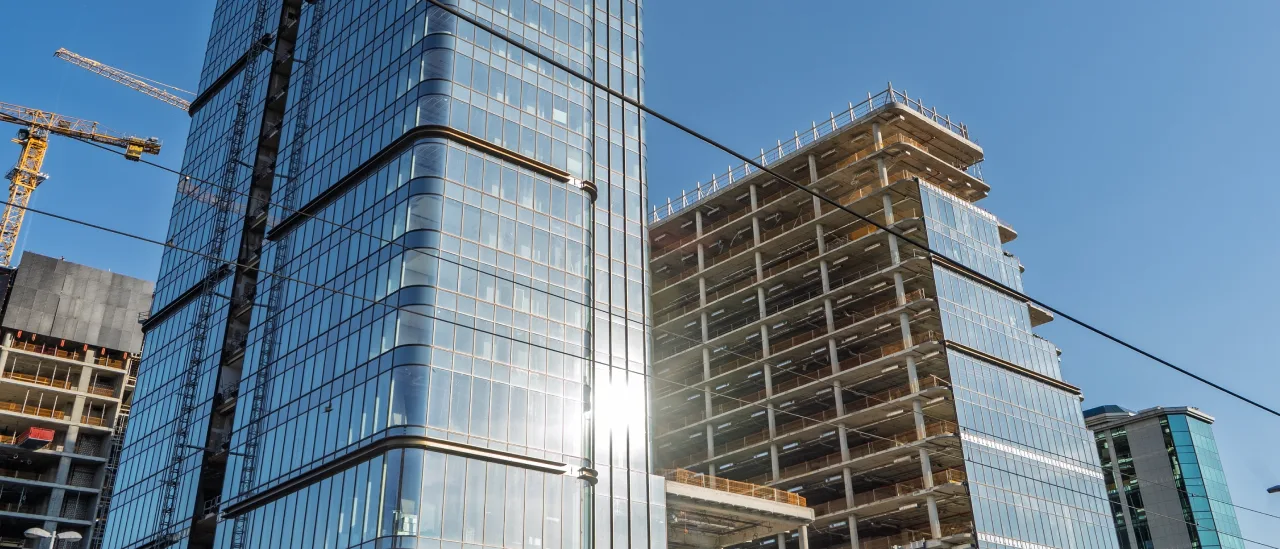
A construction timelapse condenses months of building into a few minutes of video. Used well, it becomes sales and marketing material for websites, property marketing and social media that beats renderings.
Somewhere on your server is the most engaging piece of content your company produced last year: eighteen months of construction compressed into ninety seconds. Most firms let it die in a project folder. The smart ones put it to work.
Why timelapse outperforms renderings
A rendering is a promise; a timelapse is proof. Buyers scrolling past their fortieth photorealistic visualisation stop for the real thing — a building actually rising out of the ground. Developers we work with report their timelapse posts outperforming rendering posts several times over on reach and watch time. Nothing else in real-estate marketing shows execution.
Three places your timelapse should be working
1. The sales conversation
A live camera link in the buyer portal does quiet, continuous work: prospects check "their" apartment's progress the way they check the weather. It builds ownership before the handover — and confidence during every construction delay conversation.
2. The company channel
Monthly 30-second progress cuts are the easiest content calendar in existence. The AI edit removes rain days, night hours and crane-idle weeks automatically — what remains is pure momentum, branded with your logo.
3. The next pitch
When you bid for the next project, a two-minute film of the last one says more than any reference letter: this is how we build, this is how it looked every single day, this is the finished thing.
Making it effortless
The reason most timelapses die in folders is manual work. The fix is automation: with Arclap, films render automatically — weather-filtered, watermarked, in formats for web, social and presentations. Marketing pulls what it needs from the dashboard; nobody touches an editing suite.
Read on:Time-lapse camera · Case studies · Construction cameras at a glance · Request an offer